When breakouts are already making my skin feel unpredictable, the last thing I want is makeup that adds more congestion, irritation, or heaviness. That is why I pay close attention to formulas, finish, application technique, and how easily a product comes off at the end of the day.
Choosing non-comedogenic makeup for acne-prone skin is not only about finding a foundation with the right label. I also look at whether a product feels lightweight, works with oily or combination areas, layers well over acne treatments, and allows me to build coverage without creating a thick mask.
The right routine can help makeup look smoother while reducing some of the habits that often make blemishes feel more noticeable.
What Does Non-Comedogenic Makeup Mean for Acne-Prone Skin?
Non-comedogenic makeup is designed to be less likely to clog pores. That matters because clogged pores can contribute to blackheads, whiteheads, and certain acne breakouts.
However, I do not treat the term as a guarantee. A product can be labeled non-comedogenic and still disagree with an individual’s skin. Formula, skin type, acne treatments, climate, and even how thoroughly makeup is removed can affect the result.
For that reason, I look at the whole product rather than relying on one claim on the packaging.
What Should I Look for in Makeup for Acne-Prone Skin?
I usually favor lightweight, breathable, and buildable formulas. If my skin gets oily quickly, I may choose an oil-free or soft-matte foundation. If acne treatments have made my skin dry or flaky, I prefer something more flexible and hydrating.
A fragrance-free formula can also be useful for sensitive or easily irritated skin. Ingredients such as niacinamide, glycerin, hyaluronic acid, and salicylic acid may appear in acne-friendly makeup, depending on the product.
I also avoid automatically assuming that every matte product is better. Very dry finishes can exaggerate healing pimples and flaky areas.
What Are the Best Non-Comedogenic Foundations and Skin Tints?
Maybelline New York Fit Me Matte + Poreless Liquid Foundation is a popular budget-friendly choice for oily and combination skin. Its matte finish helps reduce the look of shine, making it especially appealing for people who prefer a more controlled complexion.
Clinique Anti-Blemish Solutions Liquid Makeup is another option worth considering. It is designed for blemish-prone skin and includes salicylic acid, which is commonly used in acne-focused skincare.
Dermablend Continuous Correction Tone-Evening CC Cream is a good example of a lighter, buildable complexion product. I like this type of formula when I want coverage without creating an overly thick base.
MAC Studio Fix Powder Plus Foundation works differently because it combines foundation coverage with the oil-control benefits of powder. It can be useful for people who prefer a matte finish or want an alternative to liquid foundation.
The best foundation for acne-prone skin ultimately depends on whether your skin is oily, dry, combination, or sensitized from treatments.
Which Primer and Setting Spray Work Best for Acne-Prone Skin?
Primer can help makeup last longer, but I only use it when it solves a specific problem.
E.L.F. Power Grip Primer is popular because it creates a tacky base that helps foundation adhere while also containing hydrating ingredients. This can be useful when makeup tends to slide or separate.
Charlotte Tilbury Airbrush Flawless Setting Spray is another option for people who want makeup to last longer without adding more powder. A setting spray can be particularly useful in warm or humid parts of the US where complexion products may break down faster during the day.
Still, I avoid layering primer, foundation, powder, and setting spray too heavily. Too many layers can make acne texture more visible.
Which Ingredients Should Acne-Prone Skin Be Careful With?
Ingredient advice around acne can become overly simplistic, so I prefer to be cautious.
Some people find heavy oils, waxes, esters, or strongly fragranced formulas uncomfortable or congesting. Ingredients such as coconut oil, isopropyl myristate, ethylhexyl palmitate, lanolin, heavy algae-derived ingredients, and certain rich waxes may be worth watching if your skin tends to clog easily.
However, an ingredient does not automatically make a product acne-causing. Concentration, formulation, and individual skin response matter.
Mineral oil, for example, should not automatically be labeled pore-clogging in every cosmetic formula. I pay more attention to how my skin reacts to a complete product over several days or weeks.
Synthetic fragrance can also bother people with sensitive or inflamed skin, so fragrance-free makeup may be a better choice if irritation is already a concern.
How Should I Prep Acne-Prone Skin Before Makeup?
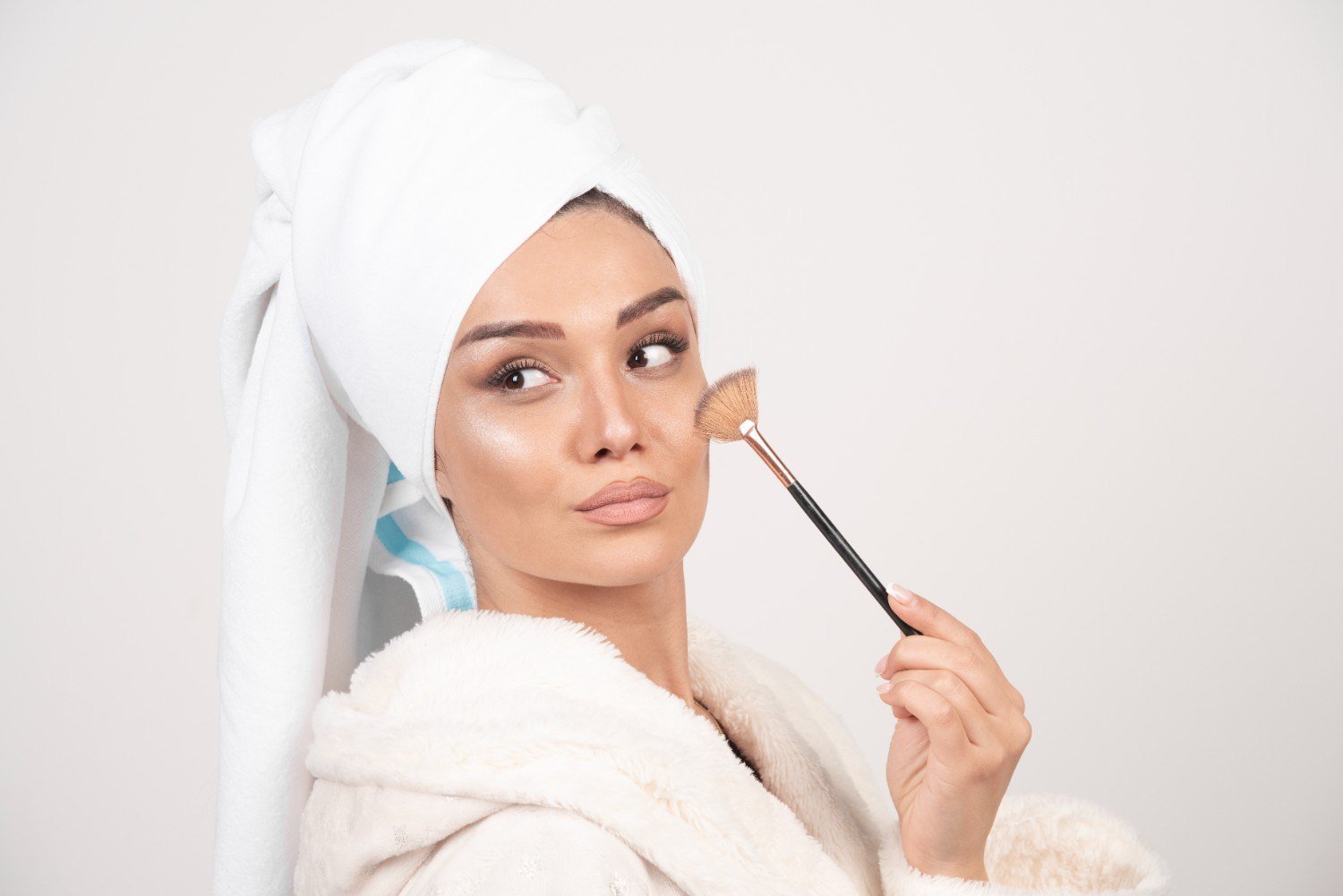
Good makeup starts before foundation.
I begin with clean skin and apply a lightweight moisturizer that suits my skin type. For oily skin, a gel-based or oil-free moisturizer can work well. I then apply sunscreen and give my skincare time to settle.
If I use primer, I apply a thin layer only where needed. This keeps the base from becoming too heavy before foundation even goes on.
How Do I Apply Makeup Without Making Acne Look Cakey?
Thin layers make the biggest difference.
Instead of covering my entire face with a thick coat of foundation, I apply a light layer first and build only where I need extra coverage. Then I use concealer directly over blemishes, redness, or post-acne marks.
This technique makes non-comedogenic makeup for acne-prone skin look more natural because it avoids unnecessary buildup over clear areas.
I also avoid rubbing aggressively over active pimples. Pressing or lightly tapping product into place usually creates a smoother finish and causes less irritation.
How Often Should I Clean Makeup Brushes and Sponges?
Clean tools are essential for acne-prone skin.
I wash brushes and sponges used for complexion products at least once a week, and more often if I use them daily. Makeup, oil, skin debris, and moisture can collect on applicators over time.
I also avoid sharing makeup brushes or sponges with other people and make sure damp sponges dry properly between uses.
Should I Double-Cleanse When Wearing Makeup?
Thorough makeup removal matters just as much as choosing the right products.
I usually remove long-wear foundation, sunscreen, and concealer with a gentle first-step cleanser or makeup remover, then follow with a facial cleanser. This double-cleansing method can help when makeup is particularly resistant.
However, not everyone needs an aggressive two-step cleanse every night. If the skin feels tight, irritated, or stripped afterward, the cleansing routine may be too harsh.
The goal is to remove makeup completely without damaging the skin barrier.
Is Liquid or Powder Makeup Better for Acne-Prone Skin?
Both can work.
Liquid foundation often gives more flexible and buildable coverage, while powder foundation can help absorb excess oil and reduce shine. If my skin is flaky from acne treatments, I usually prefer liquid. If I am dealing with a very oily T-zone, powder can be useful in targeted areas.
There is no universal winner.
Can Makeup Cause Closed Comedones?
Makeup can contribute to closed comedones for some people, especially when a formula does not agree with the skin or when products are not removed completely.
If I notice clusters of small flesh-colored bumps after introducing a new foundation or primer, I stop using it temporarily and monitor my skin.
I also consider sunscreen, skincare, hair products, and cleansing habits because makeup is not always the only cause.
How Do I Build a Simple Acne-Safe Makeup Routine?
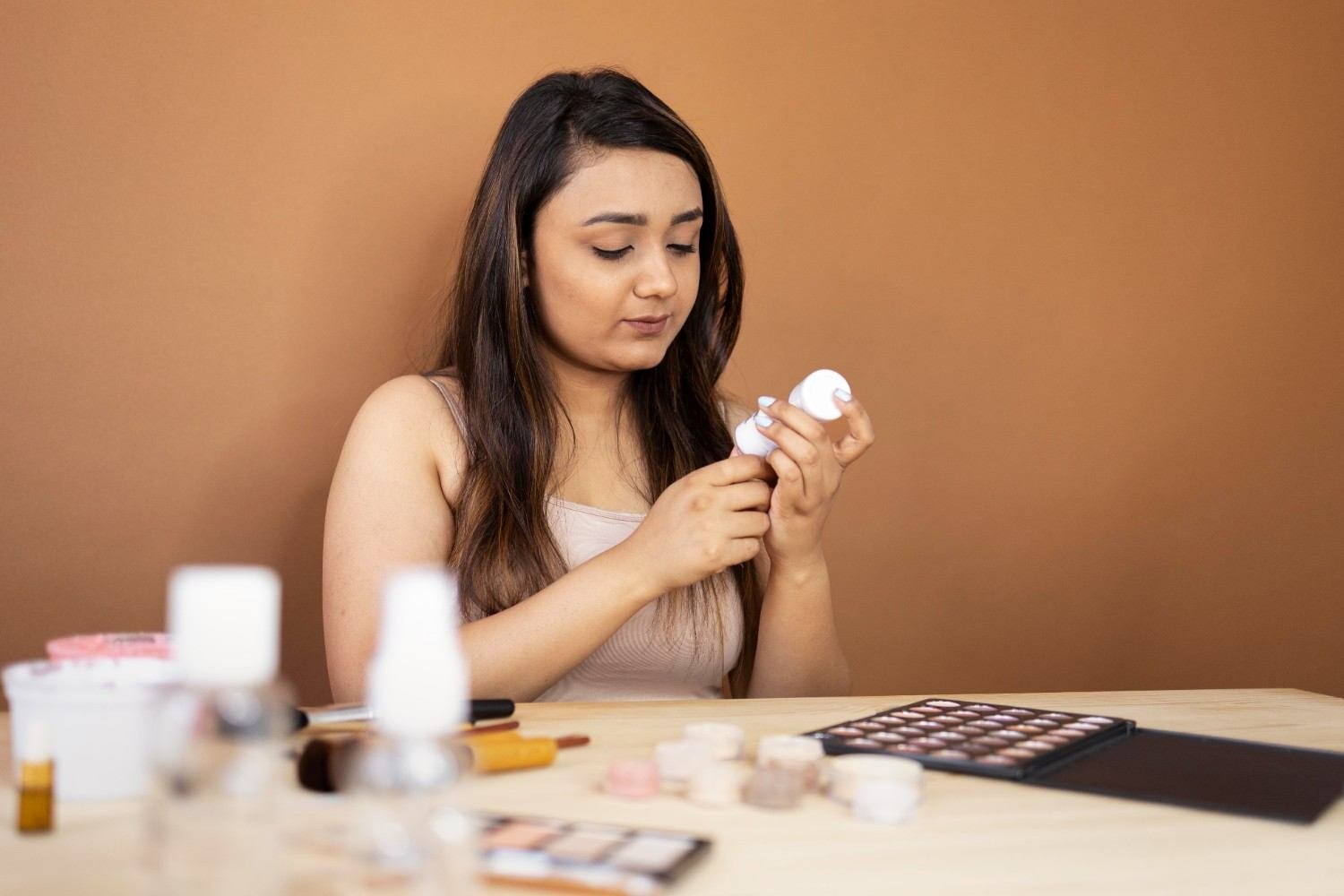
I keep the routine as streamlined as possible.
I prep with lightweight skincare and sunscreen, add primer only if needed, apply a thin layer of foundation or skin tint, spot-conceal blemishes, and use powder selectively where shine appears. I finish with blush, bronzer, or setting spray only if those steps improve the look.
The best non-comedogenic makeup for an acne-prone skin routine is not necessarily the one with the most products. It is the one that gives you the coverage you want while keeping your skin comfortable.
FAQs About Makeup for Acne-Prone Skin
1. Can I wear foundation every day if I have acne?
Yes. Many people with acne wear foundation regularly. Choose a formula your skin tolerates, apply thin layers, keep tools clean, and remove makeup before bed.
2. Does non-comedogenic mean a product cannot cause acne?
No. It means the product is designed to be less likely to clog pores, but individual reactions can still happen.
3. Is oil-free foundation always better for acne-prone skin?
Not always. Oil-free formulas may suit very oily skin, but overall formulation and skin tolerance matter more than a single marketing claim.
4. Is salicylic acid in makeup good for acne?
Salicylic acid can help exfoliate inside pores and is commonly used in acne products. However, people already using acne treatments should avoid overloading their routine with too many active ingredients.
5. How can I stop foundation from looking cakey over pimples?
Use a lightweight moisturizer, apply foundation in thin layers, spot-conceal individual blemishes, and avoid applying too much powder over textured or healing areas.
Final Thoughts
Acne-prone skin does not mean you have to stop wearing makeup.
I get better results when I choose lightweight formulas, apply fewer layers, keep my tools clean, avoid unnecessary irritation, and remove everything gently at night. Product labels can guide me, but I still watch how my own skin responds. The same careful approach matters when choosing fragrance free makeup for sensitive skin, especially if my complexion is easily irritated or prone to breakouts.
A simple, consistent routine will usually look better than trying to cover every bump with more foundation.