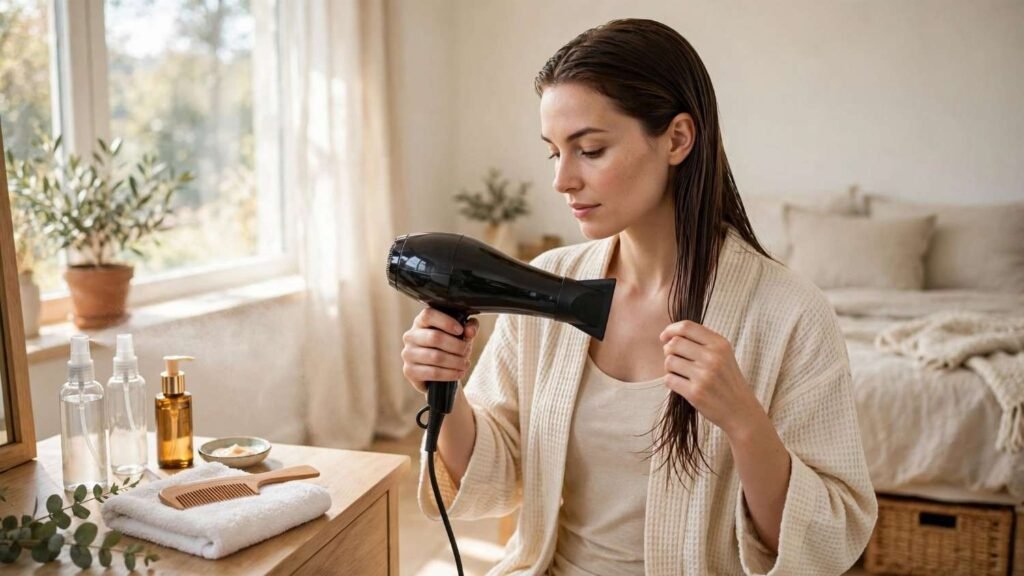
Nothing ruins a good hair day faster than stepping outside into sticky, humid air. I’ve spent time carefully styling my hair, only to watch it become puffy and frizzy within minutes. Whether it’s a hot summer afternoon in Florida or a rainy morning in New York, humidity can make maintaining smooth hair challenging.
Fortunately, learning how to prevent frizzy hair in humid weather doesn’t require expensive salon treatments. With the right moisturizing products, gentle drying techniques, and simple styling habits, I’ve discovered that keeping hair manageable throughout the day becomes much easier.
Why Does Hair Get Frizzy in Humid Weather?
Humidity causes frizz because hair naturally absorbs moisture from the surrounding air. As water enters the hair shaft, temporary hydrogen bonds rearrange, changing the hair’s shape and creating unwanted puffiness.
Dry, porous, chemically treated, or damaged hair often experiences more noticeable frizz because its protective outer cuticle is less effective at controlling moisture movement.
Naturally curly and wavy hair can also become frizzy because of its structure. Maintaining hydration, reducing friction, and using humidity-resistant styling products can help minimize these effects.
How Can You Keep Your Hair Smooth in High Humidity?
1. Use a Gentle, Moisturizing Shampoo
I always recommend starting with a shampoo that cleanses without leaving hair excessively dry. A sulfate-free moisturizing shampoo can work well, particularly for dry, curly, or color-treated hair.
However, sulfates aren’t automatically harmful. The overall formulation matters more than whether a product contains them.
Focus shampoo on your scalp and allow the lather to rinse through the lengths. Avoid overwashing if it leaves your hair feeling rough or brittle.
2. Apply Conditioner and Use a Weekly Hair Mask
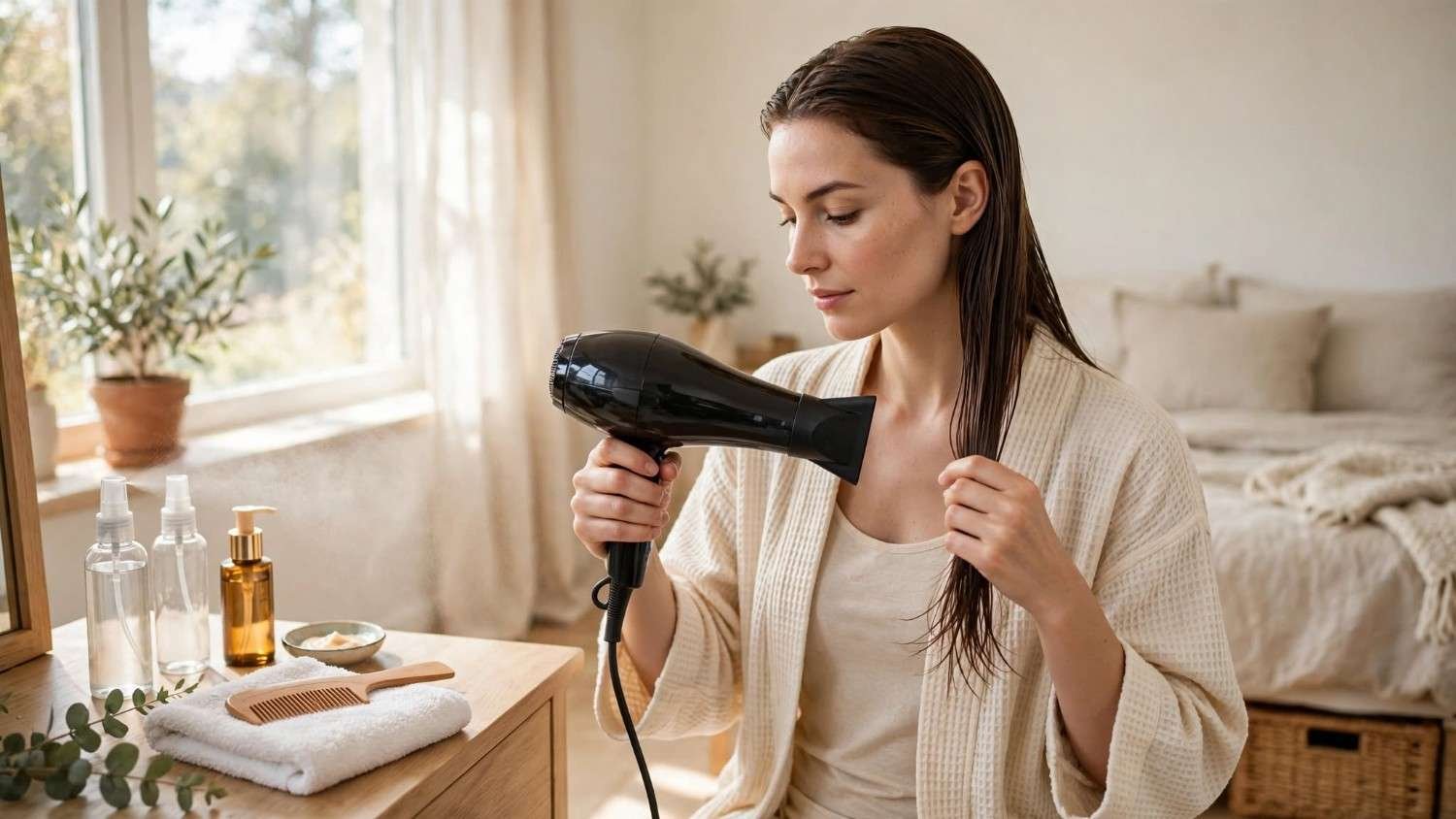
Conditioner helps smooth the hair surface, reduce friction, and improve manageability.
I apply conditioner primarily to the mid-lengths and ends, allowing it to sit for two to three minutes or according to the product instructions before rinsing.
For additional moisture, use a deep-conditioning hair mask once a week, especially if your hair feels dry or damaged.
You can finish with a cool water rinse if you find it comfortable, although cool water doesn’t permanently seal the cuticle or lock moisture inside.
3. Layer Leave-In Conditioner and Anti-Frizz Products
Applying styling products in the correct order can make a noticeable difference.
I start with a leave-in conditioner on damp hair, followed by a smoothing cream or humidity-resistant gel. If necessary, I finish with a small amount of anti-frizz serum.
Applying products while hair is damp helps distribute them evenly and maintain softness.
Fine hair benefits from lightweight sprays, while thick or curly hair may require richer creams. Avoid excessive layering because product buildup can make hair look greasy.
4. Choose Anti-Humidity Products With the Right Ingredients
Not every moisturizing ingredient performs equally in humid conditions.
Silicone-based serums containing dimethicone or amodimethicone can smooth strands and create a protective coating that reduces moisture-related frizz.
Lightweight argan or jojoba oils can improve softness and shine, although oils alone cannot completely block humidity.
Humectants such as glycerin, honey, and propylene glycol attract moisture. In extremely humid environments, certain humectant-heavy formulas may increase puffiness for some hair types.
I prefer humidity-resistant sprays or gels containing film-forming polymers when I need longer-lasting styling control.
5. Replace Your Regular Towel With Microfiber
Rubbing wet hair with a rough bath towel creates friction that can contribute to frizz and breakage.
Instead, I gently squeeze excess water using a microfiber towel or soft cotton T-shirt.
For curly hair, plopping can help preserve natural curl patterns while removing excess moisture.
Avoid aggressive rubbing, twisting, or squeezing that disrupts delicate strands.
6. Blow-Dry Carefully and Finish With Cool Air
Excessive heat can damage hair over time, making humidity-related frizz harder to manage.
Before blow-drying, I apply heat protectant and select a low or medium temperature. A concentrator nozzle helps direct airflow downward for a smoother finish.
Finishing with the cool-shot button can help set the hairstyle while limiting additional heat exposure.
For naturally curly hair, a diffuser with low airflow can preserve curl definition. Make sure your hair is fully dry before heading outdoors.
7. Avoid Brushing Dry Curls and Detangle Gently
Brushing dry curly or wavy hair can separate curl clumps and create unwanted puffiness.
I prefer using a wide-tooth comb and working carefully from the ends upward.
For curly or tightly textured hair, detangling while damp and coated with conditioner often reduces breakage. Straight hair may benefit from partially drying before combing.
Gentle handling protects the hair cuticle and helps maintain a smoother appearance.
8. Choose Humidity-Resistant Hairstyles

Some hairstyles naturally handle humid weather better than others.
Loose braids, low buns, claw-clip twists, and relaxed updos can help control flyaways without requiring repeated heat styling.
I often choose protective hairstyles when spending long hours outdoors during humid summers.
Naturally curly hair may hold its shape better when styled with a curl-defining cream or gel rather than repeatedly straightened.
Avoid excessively tight hairstyles that create unnecessary tension around the hairline.
9. Protect Your Hair While Sleeping
Overnight friction can make morning frizz more noticeable.
A satin or silk pillowcase creates a smoother surface that reduces tangling and friction while sleeping.
I also find that a loose braid or satin bonnet helps maintain my hairstyle overnight.
For curly hair, gathering curls loosely on top of the head can preserve definition without flattening them.
10. Carry a Quick Frizz-Control Product
Even a carefully styled hairstyle can develop flyaways during unexpected humidity.
I keep a travel-sized anti-frizz cream or serum nearby for quick touch-ups.
A pea-sized amount smoothed over the outer layers can tame visible frizz without weighing hair down.
For curls, lightly misting affected sections and applying a curl refresher may help restore definition.
Avoid repeatedly brushing, touching, or heat-styling your hair throughout the day.
What Is the Best Frizz-Control Routine for Your Hair Type?
Fine or Straight Hair
Choose lightweight conditioners, leave-in sprays, and smoothing serums. Avoid heavy oils near the roots because they can reduce volume.
Thick or Coarse Hair
Use richer conditioners, weekly moisturizing masks, and smoothing creams to maintain softness and manageability.
Curly or Wavy Hair
Apply leave-in conditioner and curl-defining gel while hair is damp. Scrunch gently and minimize touching until the curls are dry.
Color-Treated or Damaged Hair
Prioritize conditioning treatments, heat protection, and gentle detangling. Reducing bleaching and excessive heat styling can help prevent additional cuticle damage.
What Hair Care Mistakes Make Frizz Worse?

Overwashing, excessive heat styling, rough towel drying, and applying too many products can make frizz more noticeable.
Leaving home with partially damp hair may also cause a carefully styled blowout to change shape outdoors.
I recommend avoiding frequent dry brushing, especially for curls, and choosing products suited to your hair texture rather than relying on one universal solution.
Frequently Asked Questions (FAQs)
1. How Can I Prevent Frizzy Hair in Humid Weather Naturally?
Use gentle shampoo, regular conditioner, microfiber towels, and low-friction hairstyles. Lightweight oils may improve softness, but they cannot fully prevent humidity-related frizz.
2. Does Coconut Oil Help Stop Hair From Frizzing?
Coconut oil may improve softness and reduce protein loss in some hair types. However, it doesn’t completely protect hair from humid air.
3. Is Air-Drying Better Than Blow-Drying for Frizzy Hair?
Both methods can work. Gentle air-drying helps limit heat exposure, while careful blow-drying with heat protection can create a smoother finish.
4. How Do You Keep Hair Straight All Day in Humidity?
Use a smoothing leave-in product, heat protectant, controlled blow-drying, and humidity-resistant finishing spray. Avoid going outside before your hair is fully dry.
Final Thoughts: Enjoy Smooth, Manageable Hair Every Day
I’ve learned that controlling frizz isn’t about using the most expensive products or spending hours styling my hair. Consistent conditioning, careful drying, and choosing products that match my hair texture make the biggest difference.
By combining moisturizing treatments, humidity-resistant serums, protective hairstyles, and gentle overnight care, I can maintain softer, more manageable hair even on sticky summer days. I’ve also found that turning my evening hair care routine into a relaxing self-care ritual complements my efforts toward reducing stress after work naturally, helping me unwind while caring for my hair.
The key is finding a simple routine that works with your natural texture rather than constantly fighting it. With a few thoughtful changes, a humid forecast doesn’t have to mean another frustrating hair day.