I think toenail comfort deserves the same attention we give cushioning and arch support. A shoe can feel soft underfoot while still pressing against a nail with every step.
When considering how to keep toenails comfortable in closed-toe shoes, I start with nail length, toe space, and whether the foot slides forward. Small adjustments can reduce everyday irritation, but persistent pain needs attention rather than another attempt to tolerate uncomfortable footwear.
Why Closed Shoes Can Make Toenails Sore
Toenails become uncomfortable when shoes squeeze the toes, press down from above, or allow repeated contact with the front. Long nails can catch against the lining, while nails cut too short may leave sensitive skin exposed.
Discomfort does not automatically mean an ingrown nail. Repeated impact, thickened nails, and injuries can also cause tenderness. Notice whether soreness develops in one particular pair, but avoid diagnosing the cause from appearance alone.
1. Trim Toenails Without Cutting Too Short
Trim toenails straight across with clean toenail clippers. Avoid digging into the sides or cutting deep curves around the corners. These habits can encourage the nail edge to irritate the surrounding skin.
Keep nails around the ends of your toes without leaving an extension that repeatedly hits your footwear. Do not cut into the attached portion or expose tender skin to make tight shoes wearable. Trimming after bathing can make firmer nails easier to manage.
2. Smooth Rough Edges Gently
After trimming, use a fine nail file to smooth uneven edges that might catch on socks. Work gently rather than aggressively thinning the nail or filing deeply down its sides.
A sharp corner needs light smoothing, not removal of the entire corner. Leave cuticles intact and avoid scraping beneath the nail with pointed tools. If a nail is unusually thick, painful, or difficult to trim safely, seek professional help instead of forcing the clippers through it.
3. Check Three Dimensions of Shoe Fit
Understanding how to keep toenails comfortable in closed-toe shoes means checking more than the size printed inside. Length, width, and depth each affect the pressure around your toes.
Leave Space in Front
Your longest toe should not touch the shoe’s end when you stand or walk. Around three-eighths to half an inch of space is a useful starting point, although fit varies by footwear and activity.
Allow Width and Height
Your toes should move without being squeezed together. The upper should also clear your toenails rather than resting firmly against them. A wider shoe can still have a shallow toe box.
Try shoes later in the day with your usual socks and prescribed inserts. Walk around before deciding, and choose footwear that feels comfortable immediately. Apply the same practical mindset when you choose nail shape for short nails, keeping everyday comfort and maintenance in mind.
4. Stop Your Feet From Sliding Forward
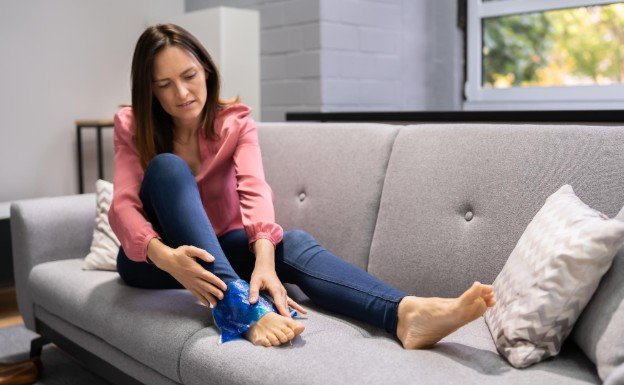
Loose footwear can be uncomfortable even when there is plenty of space at the front. Each step may push the toes forward until the nails strike the shoe.
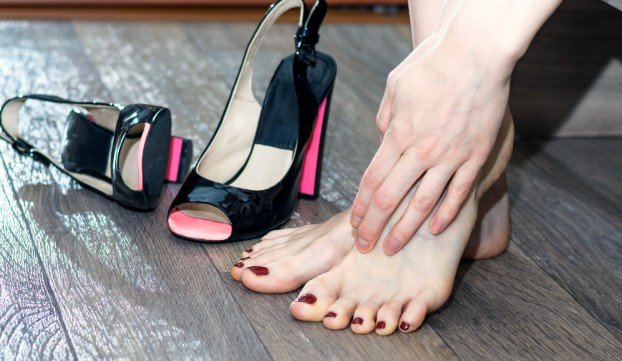
Adjust laces or straps to hold the heel and midfoot securely while leaving the forefoot comfortable. Avoid tightening everything until your toes feel compressed. High heels can increase forward pressure, so lower heels may be easier to tolerate. Buying a longer size does not necessarily solve a width problem.
5. Choose Socks That Preserve Toe Room
Wear socks that fit smoothly without tight toe seams or folds beneath the toes. Thick winter socks can turn an otherwise comfortable boot into a cramped one.
Moisture-wicking socks help manage sweat, but change them whenever they become damp. Extra cushioning may help some people, yet it also takes up space. Check the complete combination of shoe, sock, and insert rather than judging each separately. Padding should never be used to justify continuing to wear a painful shoe.
6. Keep Feet Clean and Shoes Dry
Wash your feet regularly and dry carefully between the toes before putting on socks. Rotate footwear when possible, allowing shoes about 24 hours to dry between wears.
Apply a small amount of moisturizer to dry skin around the nails, allowing it to absorb before dressing. Avoid leaving cream between the toes. Clean nail tools and never share them. Persistent nail discoloration, thickening, lifting, or crumbling deserves evaluation rather than being treated as a cosmetic inconvenience.
7. Check Your Toes After Wearing Shoes
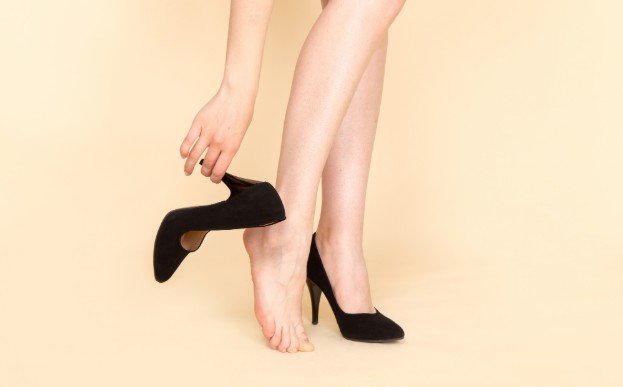
After a long workday or walk, look for redness, pressure marks, tenderness, or changes around the nails. Stop wearing footwear that repeatedly causes discomfort.
Seek care for worsening pain, warmth, swelling, drainage, or difficulty walking. Do not dig out an ingrown edge or drain blood beneath a nail yourself. People with diabetes, poor circulation, or reduced sensation should seek prompt advice about nail pain or wounds.
Frequently Asked Questions
1. What matters most when learning how to keep toenails comfortable in closed-toe shoes?
Combine sensible nail length with adequate toe-box space and a secure heel. Trimming alone cannot correct footwear that presses against your nails.
2. Should I buy a larger shoe size?
Only if the shoe is too short. For sideways squeezing or pressure above the nails, a wider or deeper design may fit better.
3. Can I wear shoes while an irritated nail heals?
Choose footwear that avoids pressure on the affected area. If every suitable option hurts, or symptoms persist, ask a healthcare professional for guidance.
A More Comfortable Routine
I would start with the basics: gently trimmed nails, smooth edges, dry socks, and shoes that give my toes enough space. Comfort depends on how these details work together. A cushioned shoe can still press down on a toenail, and carefully groomed nails can still become sore inside a narrow toe box.
I would also check my feet after long days and pay attention when one pair repeatedly causes tenderness. Changing that footwear is more useful than cutting nails increasingly short or adding padding that crowds the toes. If pain continues, or I notice swelling, drainage, or nail changes, I would seek professional advice. A consistent routine should make everyday walking easier, without treating ongoing discomfort as something to tolerate.